



Gabroy | Messer’s Henderson Pregnancy Discrimination Attorney
Gabroy | Messer’s Henderson specializes in representing individuals facing pregnancy discrimination in the workplace. They understand the complexities of pregnancy-related discrimination laws and the emotional toll such experiences can have on families. Their legal team works diligently to protect employees’ rights, advocating for necessary accommodations and fostering a respectful work environment. Focusing on achieving justice, they help restore dignity for expectant employees. Further insights into their approach and success stories can illuminate their commitment to this cause.
Understanding Pregnancy Discrimination Laws
Understanding pregnancy discrimination laws is vital for both employers and employees, as these regulations provide essential protections for individuals traversing the complexities of pregnancy in the workplace.
The Equal Employment Opportunity Commission (EEOC) outlines clear guidelines regarding what constitutes discrimination, types of unfair treatment, and the legal rights afforded to pregnant employees.
What is Pregnancy Discrimination?
Pregnancy discrimination occurs when an employer treats a woman unfavorably due to her pregnancy, childbirth, or related medical conditions.
This form of discrimination can manifest in several ways, including:
- Denial of promotions or raises.
- Unfavorable job assignments or conditions.
- Termination or forced leave.
Recognizing these behaviors is essential for fostering an inclusive workplace and ensuring the rights of pregnant employees are protected.
Equal Employment Opportunity Commission (EEOC) Guidelines
The Equal Employment Opportunity Commission (EEOC) plays an essential role in enforcing laws related to pregnancy discrimination, providing clear guidelines that protect the rights of employees.
These guidelines guarantee that pregnant employees receive fair treatment in the workplace, prohibiting discrimination in hiring, promotions, and job assignments.
Pregnancy Discrimination in the Workplace
In light of the EEOC’s guidelines, it becomes imperative to examine how pregnancy discrimination manifests within the workplace.
Key aspects include:
- Denial of promotions or job opportunities due to pregnancy.
- Unjustified termination related to pregnancy status.
- Failure to provide reasonable accommodations for pregnant employees.
Understanding these facets fosters a supportive environment where all employees feel valued and protected, promoting equity in the workplace.
Types of Pregnancy Discrimination
While many workplaces aim for inclusivity, various forms of pregnancy discrimination continue to undermine these efforts, affecting the well-being and career prospects of expectant employees.
Common types include unfair dismissal, denial of promotions, and unequal treatment regarding leave policies.
Such discriminatory practices harm individuals and perpetuate an environment where diversity and support are compromised, highlighting the need for systemic change.
Legal Protections for Pregnant Employees
Pregnancy discrimination remains a pervasive issue in many workplaces, necessitating a thorough understanding of the legal protections available to pregnant employees.
Key protections include:
- The Pregnancy Discrimination Act: Prohibits discrimination based on pregnancy, childbirth, or related medical conditions.
- Reasonable Accommodations: Employers must make adjustments to guarantee a healthy work environment.
- Job Security: Protection against termination due to pregnancy-related issues.
These laws are essential for fostering workplace equality.
Filing a Pregnancy Discrimination Claim

Filing a pregnancy discrimination claim involves critical steps that can significantly impact the case outcome.
Gathering substantial evidence is paramount, as it lays the groundwork for a formal complaint with the Equal Employment Opportunity Commission (EEOC).
Understanding the potential outcomes and the statute of limitations is essential for individuals seeking justice in these challenging situations.
Steps to Take if You Experience Pregnancy Discrimination
What steps should individuals take if they find themselves facing pregnancy discrimination in the workplace?
- Document incidents of discrimination, including dates and witnesses.
- Report the discrimination to the HR department or the relevant authority within the company.
- Consult an experienced Henderson Pregnancy Discrimination Attorney to explore filing a claim and understand legal rights.
These actions are essential for protecting oneself and pursuing justice in a supportive environment.
Gathering Evidence for Your Claim
Collecting robust evidence is essential for individuals pursuing a claim of pregnancy discrimination in the workplace. This involves documenting discriminatory remarks, gathering emails, and retaining performance reviews.
Witness statements can also reinforce claims. Each piece of evidence strengthens the case, demonstrating patterns of unfair treatment and fostering a sense of belonging among those who have faced similar challenges, ultimately paving the way for justice.
Filing a Complaint with the EEOC
Managing the complexities of workplace discrimination can be intimidating, especially for those facing pregnancy discrimination.
To file a complaint with the EEOC, individuals should consider the following steps:
- Gather relevant documentation and evidence.
- Complete the EEOC Charge Form accurately.
- Submit the complaint within the designated time frame.
These actions can empower individuals to seek justice and support in their workplace experiences.
Potential Outcomes of a Pregnancy Discrimination Claim
Although pursuing a pregnancy discrimination claim can be an intimidating process, understanding the potential outcomes can greatly empower individuals traversing this challenging terrain.
Victims may achieve favorable settlements, reinstatement, or monetary compensation for lost wages and emotional distress.
Additionally, successful claims can foster workplace changes, enhancing protections for future employees, thereby contributing to a more inclusive and supportive environment.
Statute of Limitations
Timely action is essential when filing a pregnancy discrimination claim, as the statute of limitations imposes strict deadlines that can significantly impact an individual’s ability to seek justice.
Key considerations include:
- Filing Period: Claims must be filed within a specific timeframe, often ranging from 180 to 300 days.
- State vs. Federal: Different laws may apply based on jurisdiction.
- Documentation: Collecting evidence early is vital for a strong case.
Pregnancy Discrimination in Harassment and Hostile Work Environments
Pregnancy discrimination can manifest in harassment and create hostile work environments, notably impacting the well-being of expectant employees.
Recognizing the various forms of discrimination is essential for addressing these issues effectively, as they can undermine workplace morale and productivity.
Legal action may be necessary to protect pregnant employees and foster a safe, respectful atmosphere that supports their rights and needs.
Understanding Harassment and Hostile Work Environments
When individuals face harassment in the workplace, the implications can be particularly severe for pregnant employees, who may encounter a hostile environment that exacerbates their vulnerability.
Key factors contributing to this dynamic include:
- Lack of support from management.
- Discriminatory comments or actions from colleagues.
- Increased stress affects health and well-being.
Understanding these elements is essential for fostering a safe and inclusive workplace.
Forms of Pregnancy Discrimination in Harassment
Although many individuals may not recognize it, harassment in the workplace can take on distinct forms when it intersects with pregnancy, creating an environment that is both hostile and detrimental to the health and well-being of expectant employees.
This includes derogatory comments about pregnancy, exclusion from workplace activities, and unfair treatment in job responsibilities, all contributing to a toxic atmosphere that undermines employee dignity and morale.
Addressing Harassment and Hostile Work Environments in Pregnancy Discrimination Claims
Harassment and hostile work environments present significant challenges for employees facing discrimination due to pregnancy.
Addressing these issues involves recognizing:
- The impact of negative comments on pregnant employees’ well-being.
- The importance of documenting incidents to support claims.
- The necessity of seeking legal assistance when internal reporting fails.
Understanding these factors can empower employees to advocate for their rights and foster a more inclusive workplace.
Creating a Safe and Respectful Workplace for Pregnant Employees
Creating a safe and respectful workplace for pregnant employees is a legal obligation and a moral imperative for employers.
Nurturing an inclusive environment fosters trust and productivity, allowing employees to thrive. Employers must implement clear policies, offer support, and promote open dialogue to combat discrimination and harassment.
Such efforts uphold rights and cultivate a culture of respect and belonging for all.
Taking Legal Action Against Harassment and Hostile Work Environments
When employees face harassment or a hostile work environment due to pregnancy, their rights are both compromised, and the integrity of the workplace itself is undermined.
To take legal action, employees should consider:
- Documenting incidents of harassment.
- Reporting to HR or a supervisor.
- Consulting with an experienced Henderson Pregnancy Discrimination Attorney to explore options.
Such steps can help restore dignity and guarantee a safer workplace.
Pregnancy Discrimination and Parental Rights
The intersection of pregnancy discrimination and parental rights in the workplace raises critical questions about employee treatment and legal protections.
As parents navigate their responsibilities, understanding the nuances of parental leave, FMLA regulations, and workplace rights becomes essential.
Addressing these issues emphasizes the importance of equitable policies and underscores employees’ ongoing challenges in balancing work and family obligations.
Understanding Parental Rights in the Workplace
Understanding parental rights in the workplace is essential, particularly as it relates to pregnancy discrimination, which can significantly affect an employee’s career trajectory and overall well-being.
Key aspects include:
- Protection against unfair treatment during pregnancy.
- Right to request reasonable accommodations.
- Entitlement to return to the same or equivalent position post-leave.
Awareness of these rights fosters a supportive work environment for all employees.
The Link between Pregnancy Discrimination and Parental Leave
Although pregnancy discrimination often manifests during hiring or promotions, its implications extend considerably into the domain of parental leave.
Women facing discrimination may encounter barriers when requesting leave, impacting their rights and job security. Such challenges impact personal well-being and undermine workplace inclusivity, highlighting the necessity for equitable policies that support all employees in their parental responsibilities and foster a sense of belonging.
Differentiating Between Parental Rights and FMLA Leave
How do parental rights intersect with FMLA leave in the context of pregnancy discrimination?
Understanding this intersection involves recognizing three key aspects:
- Eligibility: Employees must meet specific criteria to qualify for FMLA leave.
- Job Protection: FMLA guarantees job security during leave, safeguarding parental rights.
- Discrimination: Employers are prohibited from retaliating against employees exercising these rights, reinforcing workplace equity.
Legal Protections for Parental Rights in the Workplace
Legal protections for parental rights in the workplace are critical in addressing the challenges posed by pregnancy discrimination.
These safeguards guarantee that employees can pursue parental roles without bias or retaliation.
Such protections foster an inclusive environment, enabling individuals to balance work and family commitments. They ultimately contribute to a healthier workplace culture that values diversity and supports all employees in their personal journeys.
Resolving Conflicts between Work and Family Responsibilities
Balancing work and family responsibilities poses significant challenges for many employees, particularly those maneuvering the complexities of pregnancy discrimination and parental rights.
Effective resolution strategies include:
- Open communication with employers regarding needs.
- Establishing flexible work arrangements to accommodate family responsibilities.
- Utilizing legal protections to guarantee fair treatment and support.
These approaches facilitate a supportive environment where work and family can thrive harmoniously.
The Impact of Pregnancy Discrimination on Women and Families
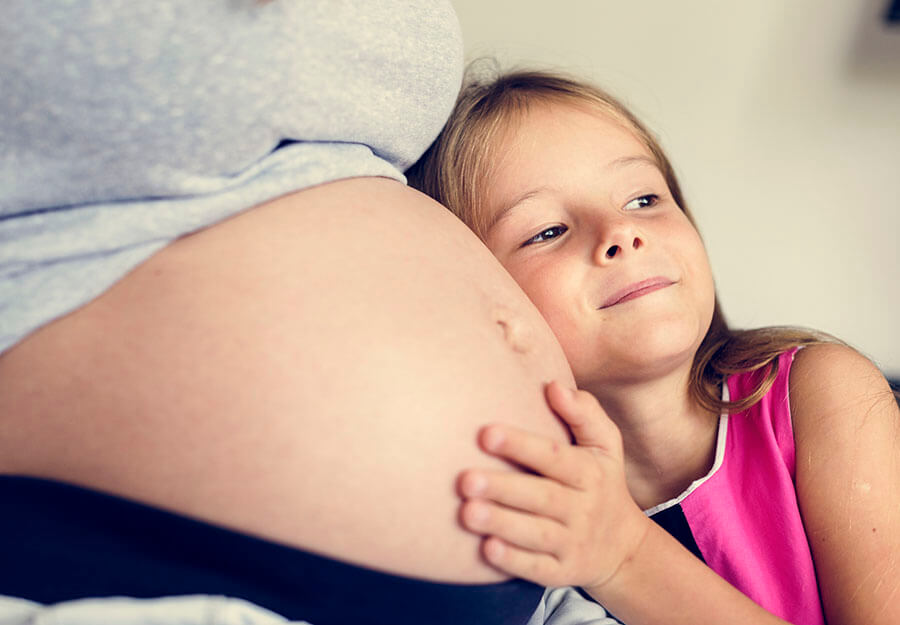
Pregnancy discrimination profoundly affects both the women who experience it and their families and broader societal structures.
The economic repercussions can be significant, exacerbating existing income inequalities and undermining gender equality in the workplace.
Addressing these issues is vital for fostering a more equitable environment supporting women and families during a pivotal life stage.
Effects of Pregnancy Discrimination on Pregnant Women
Discrimination in the workplace can create a ripple effect that profoundly impacts the lives of pregnant women and their families.
The consequences may include:
- Emotional distress, leading to anxiety and depression.
- Reduced job security, resulting in financial instability.
- Strained family relationships due to stress and uncertainty.
These factors highlight the far-reaching implications of pregnancy discrimination, necessitating awareness and advocacy for equitable treatment.
Economic Impact on Families
When women face discrimination in the workplace due to pregnancy, the economic repercussions extend far beyond individual experiences, affecting entire families and communities.
Lost wages, diminished career prospects, and increased stress can lead to financial instability, straining familial relationships.
This economic hardship impacts women directly and influences the well-being and development of children, perpetuating broader societal challenges.
Addressing the Intersection of Pregnancy Discrimination and Income Inequality
The intersection of pregnancy discrimination and income inequality reveals a profound challenge faced by women in the workforce.
This issue manifests in several critical ways:
- Job Security: Expectant mothers often encounter job loss or demotion.
- Wage Disparities: Discrimination exacerbates existing income gaps.
- Career Advancement: Women are frequently sidelined for promotions during pregnancy.
These factors compound the economic struggles faced by families, underscoring the urgency for systemic change.
The Importance of Fighting Pregnancy Discrimination for Gender Equality
Addressing pregnancy discrimination is essential for advancing gender equality, as it directly impacts both women’s professional lives and the broader economic stability of families.
Such discrimination undermines women’s career aspirations, perpetuates income inequality, and affects family dynamics.
Creating a More Equitable Workplace for Women and Families.
Pregnancy discrimination hinders individual women’s career progression and extends its detrimental effects to families and workplaces, creating a ripple effect that undermines societal equity.
To foster a more equitable workplace, organizations should:
- Implement extensive anti-discrimination policies.
- Promote flexible work arrangements for parents.
- Provide support networks for women steering through career and family responsibilities.
These measures contribute to a more inclusive environment for all.
Conclusion
In summary, pregnancy discrimination remains a significant barrier for many women in the workforce, undermining their rights and well-being. Legal protections, though established, often require vigilant enforcement through experienced legal representation. Gabroy | Messer’s Henderson Pregnancy Discrimination Attorney plays a vital role in advocating for expectant mothers, ensuring they navigate the complexities of the law effectively. With timely intervention and expert guidance, they empower clients to seek justice, ultimately fostering a more equitable workplace.