


Gabroy | Messer’s Gender Discrimination Attorneys
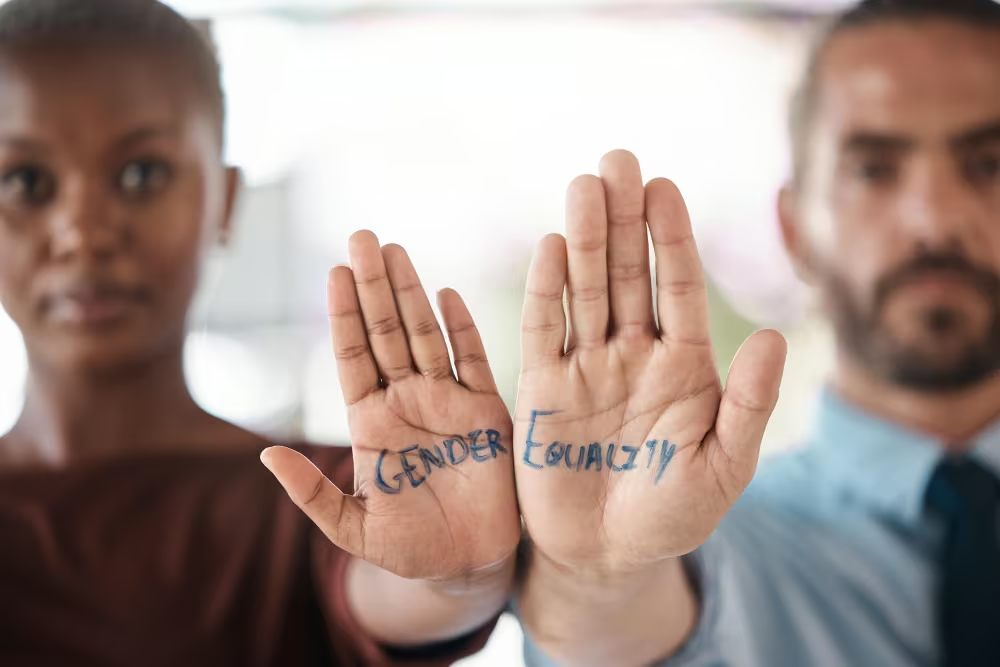
Gabroy | Messer’s gender discrimination attorneys offer expert guidance in maneuvering the complexities of gender-related legal issues. They understand the nuances of federal laws like Title VII and the Equal Pay Act, ensuring clients’ rights are defended. Their experience includes proving discrimination through documented evidence and advocating for equal pay in the workplace. With a commitment to fostering inclusive environments, their legal representation empowers victims to seek justice. Explore how their expertise can make a difference in your situation.
Understanding Gender Discrimination in the Workplace
Gender discrimination in the workplace manifests in various forms, from unequal pay to biased hiring practices, underscoring the pervasive nature of this issue.
Statistical data reveals troubling trends, highlighting both the frequency and impact of such discrimination on individuals and organizations alike.
Understanding the legal definitions and implications surrounding gender discrimination is essential for recognizing and addressing these injustices effectively.
Types Of Gender Discrimination
While many workplaces aim for equality, various forms of discrimination based on gender continue to persist, undermining the principles of fairness and respect.
Common types include unequal pay for equal work, biased hiring practices, and limited promotional opportunities for women.
Additionally, sexual harassment and hostile work environments further exacerbate these issues, highlighting the urgent need for awareness, advocacy, and legal intervention to foster inclusivity and equality.
Statistics And Trends In Gender Discrimination Cases
Despite considerable strides towards workplace equality, the prevalence of gender discrimination remains a pressing issue, as evidenced by recent statistics.
Reports reveal that women often earn markedly less than their male counterparts for similar roles, with a persistent gender pay gap.
Additionally, studies indicate that gender bias continues to affect hiring and promotion decisions, highlighting the urgent need for systemic change in workplace cultures.
Legal Definitions And Implications Of Gender Discrimination
The ongoing challenges of gender discrimination in the workplace necessitate a clear understanding of its legal definitions and implications.
Gender discrimination encompasses unfair treatment based on an individual’s gender, impacting hiring, promotions, and workplace conduct.
Legally, it violates federal and state laws, prompting potential claims for damages.
Awareness of these definitions empowers individuals to seek justice and fosters an inclusive environment that values equality.
Federal Laws Protecting Against Gender Discrimination
Federal laws play an essential role in safeguarding against gender discrimination in the workplace, establishing a framework for equitable treatment.
Key legislation, such as Title VII of the Civil Rights Act of 1964 and the Equal Pay Act of 1963, sets standards that prohibit discriminatory practices based on sex and guarantee equal pay for equal work.
Additionally, laws like the Pregnancy Discrimination Act and the Americans with Disabilities Act further enhance protections, reflecting an ongoing commitment to fostering a fair working environment for all individuals.
Title VII of the Civil Rights Act of 1964
While many laws exist to protect against workplace discrimination, Title VII of the Civil Rights Act of 1964 stands out as a pivotal federal statute prohibiting gender discrimination in employment.
This landmark legislation empowers individuals to challenge discriminatory practices, fostering a more equitable workplace.
Equal Pay Act of 1963
Equity in compensation remains a crucial aspect of workplace fairness, underscored by the Equal Pay Act of 1963.
This landmark legislation addresses wage disparities based on gender, mandating equal pay for equal work.
Pregnancy Discrimination Act of 1978
The Pregnancy Discrimination Act of 1978 greatly expanded protections for women in the workplace, addressing the critical need for equitable treatment during pregnancy and childbirth.
This landmark legislation prohibits discrimination based on pregnancy-related conditions, ensuring that women receive fair treatment in hiring, promotions, and benefits.
Age Discrimination in Employment Act of 1967
Enacted in 1967, the Age Discrimination in Employment Act (ADEA) protects workers aged 40 and older from age-based discrimination.
This legislation guarantees that older employees can compete fairly in the workforce, promoting inclusivity and respect for their experience.
Americans with Disabilities Act of 1990
While often associated with disability rights, the Americans with Disabilities Act of 1990 (ADA) also plays an essential role in combating gender discrimination in the workplace.
By providing protections for individuals with disabilities, the ADA fosters an inclusive environment that encourages equal opportunity, thereby challenging gender biases.
This intersectionality highlights the importance of extensive legal frameworks in ensuring equitable treatment for all employees, regardless of gender or ability.
Proving Gender Discrimination in the Workplace
Proving gender discrimination in the workplace requires a nuanced understanding of the types of evidence that can substantiate claims, ranging from direct testimony to documented disparities in treatment.
The burden of proof lies primarily with the plaintiff, requiring a strategic approach to counter common defenses employers may use to challenge allegations.
Consequently, a thorough examination of both sides of the argument is essential for successfully steering through these complex legal waters.
Types Of Evidence Needed In Gender Discrimination Cases
Establishing a case for gender discrimination in the workplace requires a meticulous collection of evidence that can substantiate claims of unfair treatment based on gender.
Key types of evidence include documentation of discriminatory policies, performance reviews, witness testimonies, and comparative analysis of treatment received by different genders.
This thorough approach is essential to build a compelling case and foster a culture of equality and respect.
Burden Of Proof For The Plaintiff And Defendant
The intricate nature of gender discrimination cases in the workplace hinges on the burden of proof, which plays a pivotal role in determining the outcome for both plaintiffs and defendants.
Plaintiffs must establish a prima facie case, demonstrating discriminatory practices, while defendants often need to provide legitimate non-discriminatory reasons for their actions.
This dynamic shapes the legal landscape, influencing strategies and outcomes in such cases.
Common Defenses Used By Employers In Gender Discrimination Cases
As plaintiffs navigate the complexities of gender discrimination cases, employers often employ a range of defenses aimed at undermining plaintiffs’ claims.
Common tactics include asserting that decisions were based on merit, citing economic necessity, or claiming a lack of discriminatory intent.
These defenses challenge the plaintiff’s narrative, complicating the legal landscape and emphasizing the need for robust evidence to support gender discrimination allegations.
Gender Discrimination and Sexual Harassment
Gender discrimination and sexual harassment, while interconnected, represent distinct issues within the workplace, each carrying significant legal implications.
Understanding the various forms of sexual harassment and their profound effects on victims is essential for fostering a safe work environment.
Employers bear a critical responsibility to not just prevent these behaviors, but also to address them effectively when they occur, underscoring the importance of proactive measures in workplace culture.
Difference Between Gender Discrimination And Sexual Harassment
Understanding the distinction between gender discrimination and sexual harassment is essential for steering workplace rights and protections.
Gender discrimination involves unfair treatment based on one’s gender, affecting opportunities and advancement.
In contrast, sexual harassment refers to unwelcome sexual advances or behavior, creating a hostile environment.
Recognizing these differences empowers individuals to advocate for their rights and fosters a more inclusive workplace culture.
Forms Of Sexual Harassment And Their Impact On Victims
Sexual harassment manifests in various forms, each carrying significant consequences for victims and the workplace environment. These include unwanted advances, inappropriate remarks, and hostile behaviors, all of which can lead to emotional distress, decreased productivity, and a toxic atmosphere.
Victims often grapple with feelings of isolation, undermining their sense of belonging and safety, ultimately affecting their overall well-being and job satisfaction.
Employers’ Responsibility In Preventing And Addressing Sexual Harassment
While many organizations recognize the importance of fostering a safe and inclusive work environment, the responsibility to prevent and address sexual harassment ultimately falls on employers.
This includes implementing thorough policies, conducting regular training, and establishing clear reporting mechanisms.
Gender Discrimination and Pay Inequality
Gender pay inequality remains a pervasive issue, rooted in systemic biases that affect women’s earnings across various sectors.
Understanding the causes and consequences of the gender pay gap is vital for effective negotiation strategies and advocating for fair compensation.
As efforts to address this inequality intensify, examining the pathways to bridge the gap becomes essential for fostering a more equitable workplace.
Causes And Consequences Of The Gender Pay Gap
Despite advancements in workplace equality, the gender pay gap remains a persistent issue, rooted in a complex interplay of societal norms, systemic biases, and individual choices.
This disparity not only reduces women’s economic power but additionally perpetuates stereotypes and limits career advancement.
As a result, organizations face decreased morale and productivity, highlighting the urgent need for equitable practices that foster a more inclusive workplace.
How To Negotiate For Equal Pay And Fair Compensation
How can individuals effectively advocate for equal pay and fair compensation in a landscape often fraught with bias?
Strategic negotiation involves thorough research on industry standards, clear articulation of one’s value, and confidence in presenting data.
Building a supportive network and practicing negotiation skills can empower individuals, fostering a sense of belonging while promoting transparency and equity in compensation discussions within their workplaces.
Efforts To Address Pay Inequality And Bridge The Gap
A significant proportion of the workforce continues to grapple with pay inequality, highlighting persistent disparities that disproportionately affect women and marginalized groups.
Efforts to address this issue include legislative reforms, corporate transparency initiatives, and advocacy campaigns aimed at fostering equitable pay practices.
Conclusion
To summarize, addressing gender discrimination in the workplace is essential for fostering an equitable environment. Gabroy | Messer’s Gender Discrimination Attorneys not only provide expert legal support but also play a crucial role in raising awareness of these critical issues. By effectively guiding clients through the complexities of discrimination cases, they empower clients to seek justice while challenging systemic biases. Their commitment to this cause is instrumental in promoting a more inclusive workforce, ultimately benefiting society as a whole.